Thirsting for Democracy, at One of World's Largest Freshwater Lakes
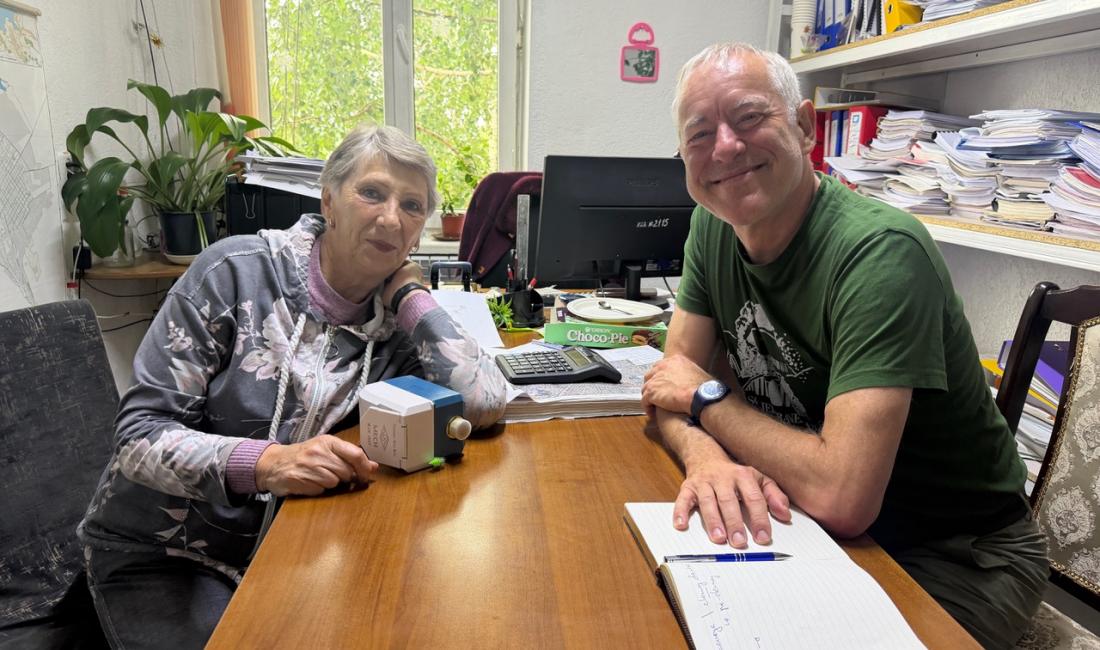
Olga Zavialov in Karakol Vodokanal Municipal Drinking Water Enterprise. All photos by Bruno Kaufmann
Can water become the basis for a democratic future in an autocratic nation?
Recently, I found some answers in Central Asia, by traveling as far east as you can in Kyrgyzstan, right up against the Chinese border to the city Karakol. Looming over this city of 80,000 people is the breathtaking, 7,700-meter Tian Shan range—literally translated as the "Mountains of Heaven."
Karakol sits on the edge of Lake Issyk-Kul, a massive, mesmerizing body of water fed by roughly 900 glaciers. It is one of the largest and deepest sweetwater lakes in the world. Because it has no geographic outlet, everything flows into it, but nothing flows out.
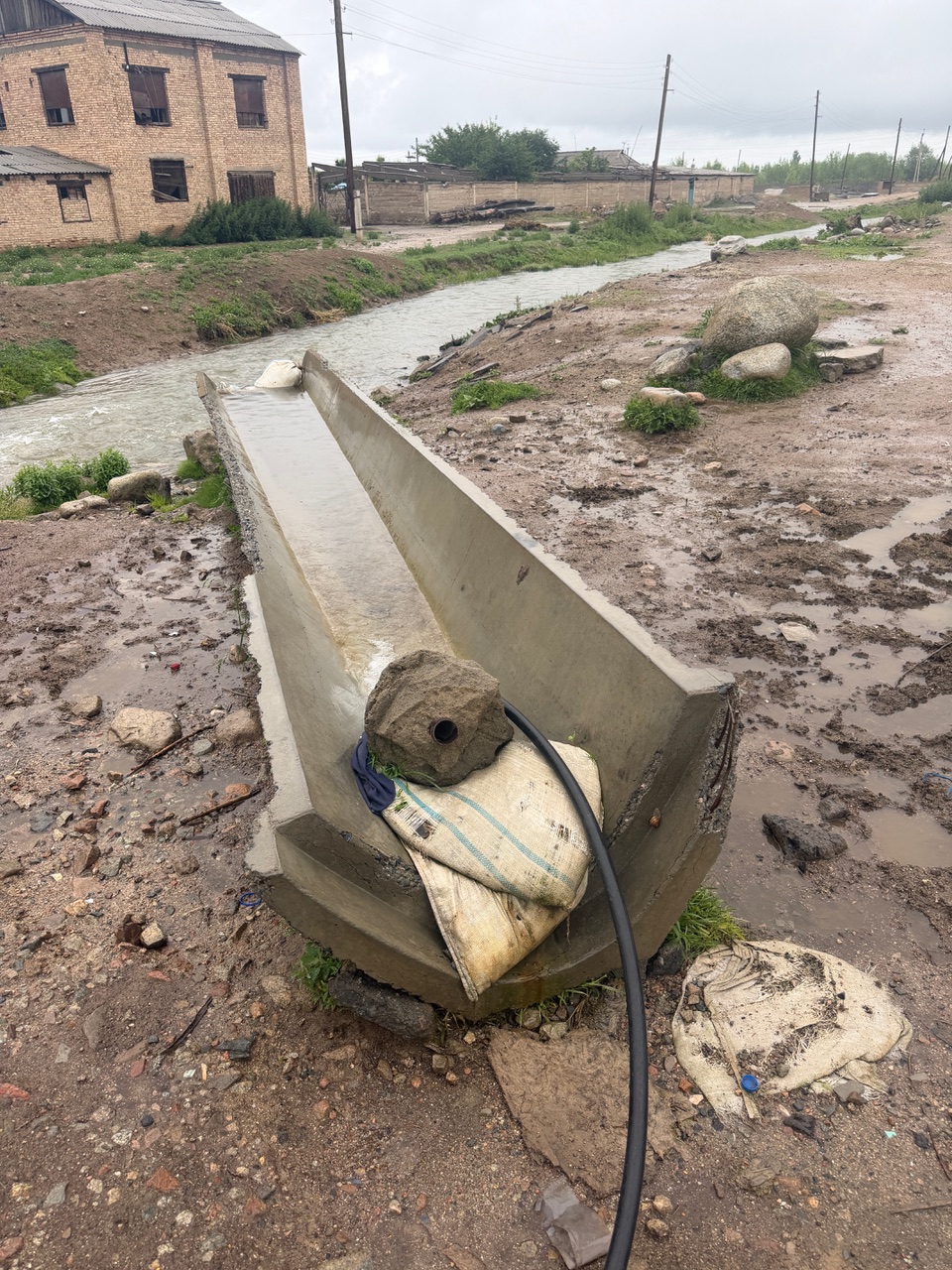
Yet, in a cruel twist, Karakol and other lake side communities are running dangerously short on water.
But here’s the good twist: that danger has inspired self-government and democracy.
To understand why water matters so much here, you have to look at what the Soviet Union left behind. During the Soviet era, water was treated as a free, infinite industrial resource. Rivers flowing from the glaciers were aggressively redirected to heavy industrial sites, destroying entire ecosystems. The Soviets even used the pristine Lake Issyk-Kul to test underwater missile systems, while introducing non-native fish species that triggered an ecological disaster.
When Kyrgyzstan gained independence in 1991, the country attempted a massive reset. Unlike its highly centralized, autocratic Central Asian neighbors, Kyrgyzstan embraced a decentralized, competitive party system.
Unfortunately, early democracy didn't automatically translate into good local governance; for decades, public funds were largely distributed among powerful, well-connected families.
Since 2020, the political tides have turned dark. Kyrgyzstan has been backsliding rapidly into authoritarianism. In the capital city of Bishkek, local civil society organizations will tell you that, they cannot talk anymore about democracy.
But they can talk about water governance and water communities.
Water has become the replacement word for democracy.
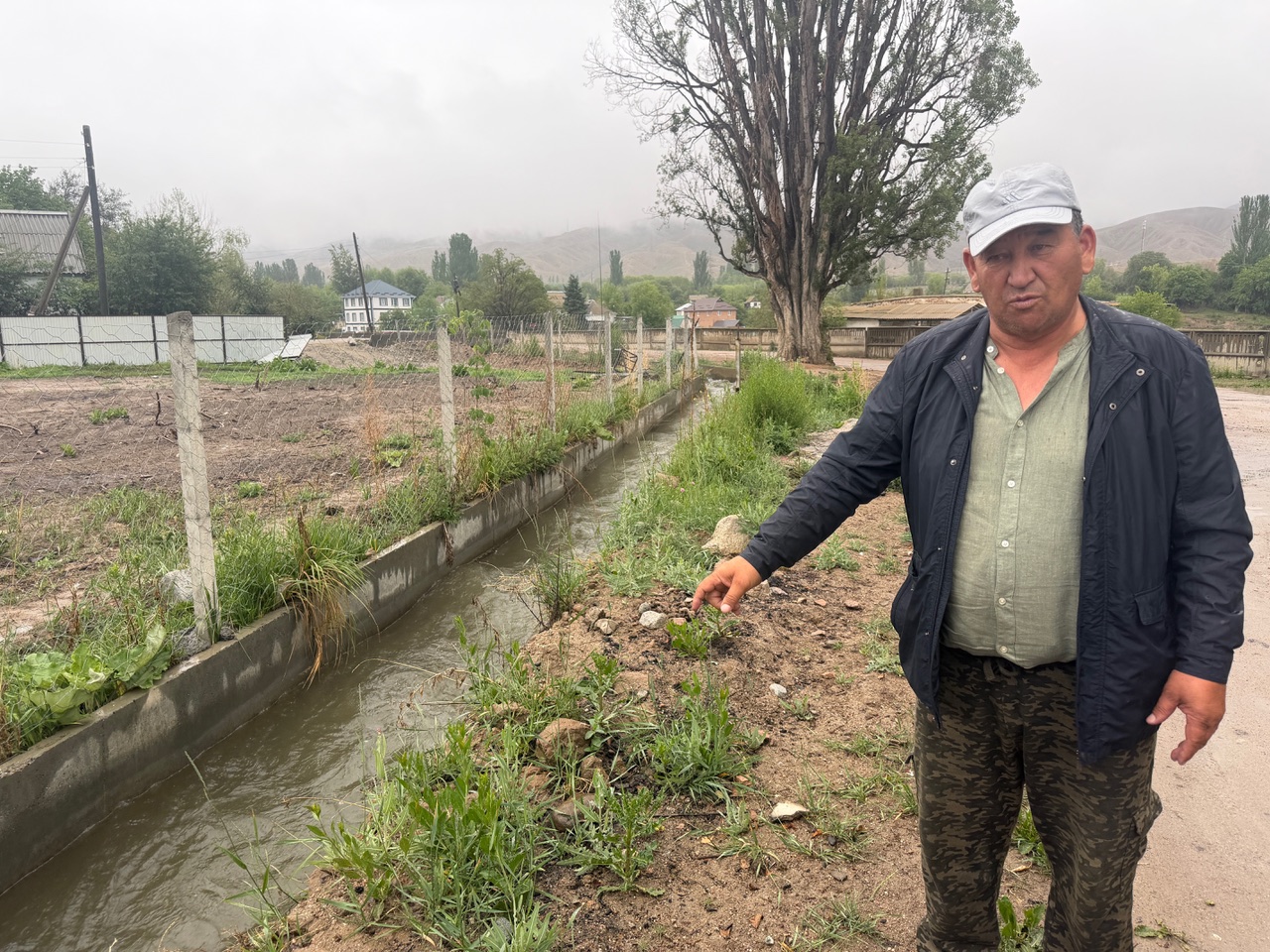
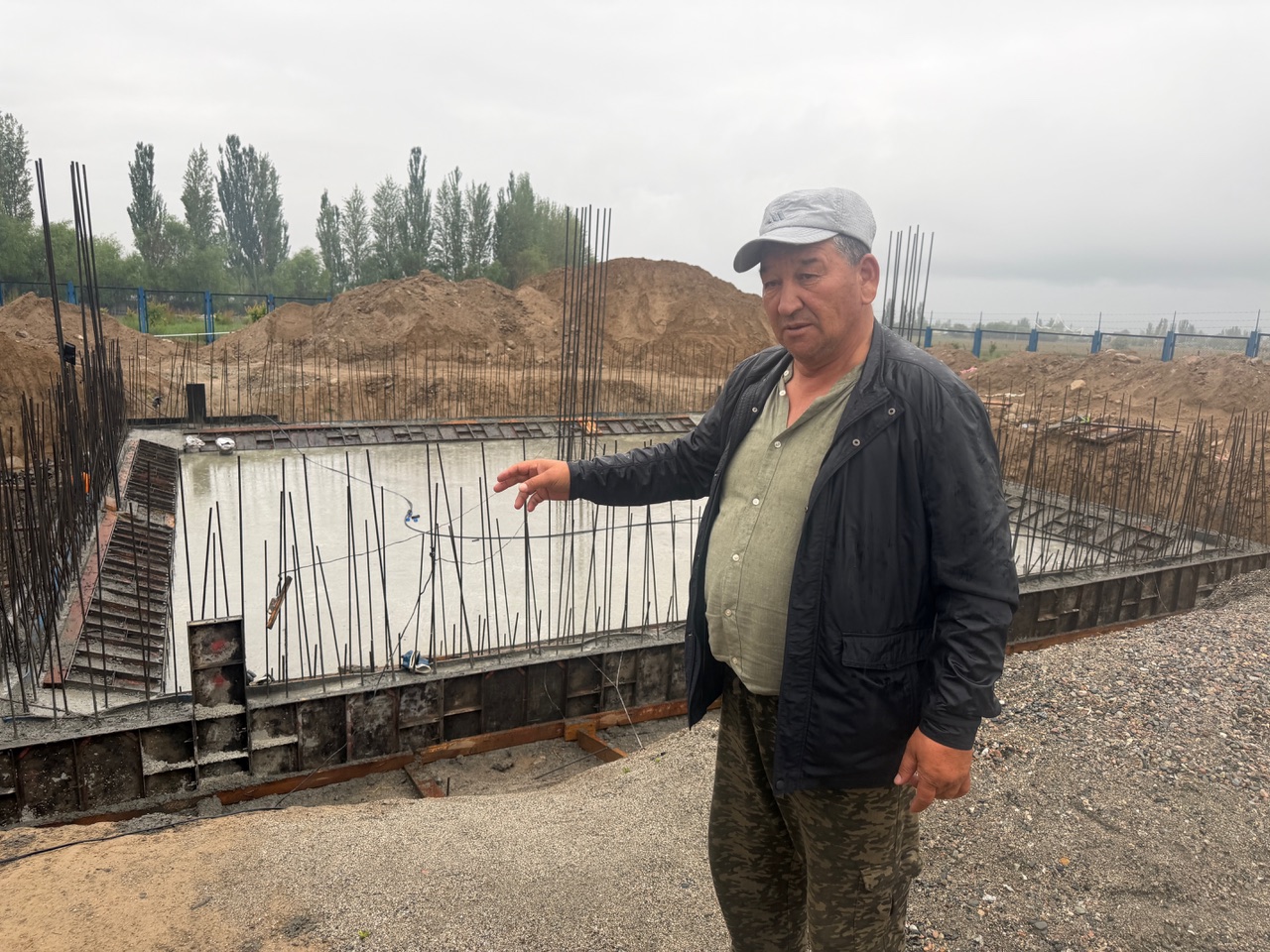
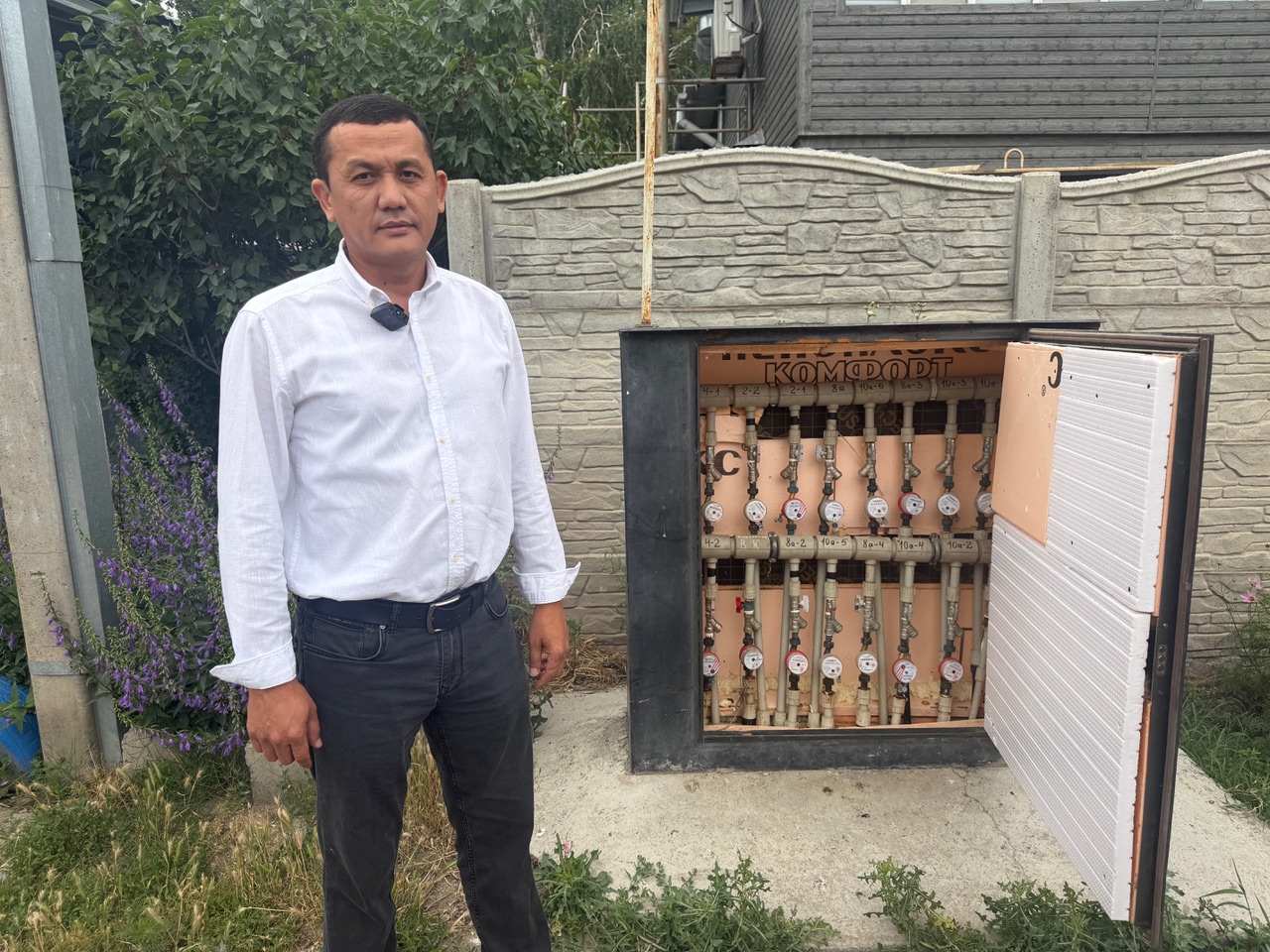
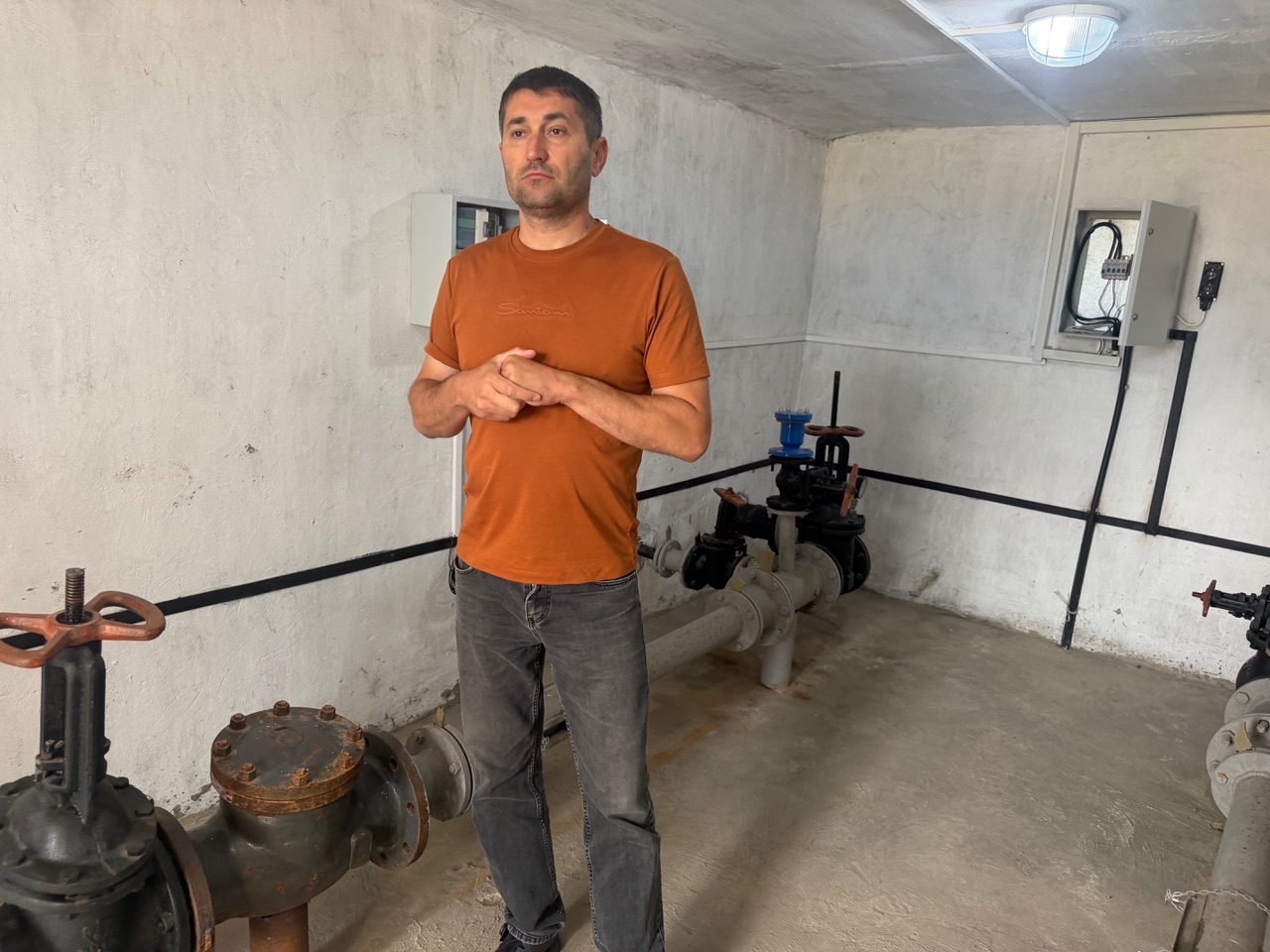
Because the central government has abandoned local infrastructure, municipalities and communities have had to establish their own local water boards. Surprisingly, these water boards have emerged as a resilient and democratic counterforce to the autocratic national government regime.
The legal framework here is chaotic—the national law on water governance changes every three or four years, meaning a local water board's structure depends entirely on the year it was founded. Some look like private companies; others are tied to the central government, and still others are very much community projects. Most have technical staff, community oversight, and armed guards to protect their water pumping sites.
But the local water boards are generally trusted by the public, and have a strong record of working hard to deal with vital water questions. What are fair rates to implement? Which street should be connected to the water system? How do we subsidize and help neighbors who don't have access to water yet?
Many of these local water boards are looking for wisdom and support from each other. A network of local water boards now connects not just Kyrgystan, but local communities across Central Asia.
These local water boards have one major international ally. For 35 years, Switzerland has been deeply engaged in Kyrgyzstan, investing half a billion Swiss francs into the country’s water infrastructure and local governance. The Swiss angle is what brought me, as Global Democracy Correspondent for the Swiss Broadcasting Company, to Karakol.
The connection makes sense: Kyrgyzstan used to be called the "Switzerland of Central Asia" due to its dramatic glaciers and mountain farming traditions. It was Switzerland that originally helped integrate Kyrgyzstan into the World Bank.
Today, the Swiss are the last ones standing. While traveling through a remote mountain village, I learned about a local worker for USAID—the historic powerhouse of democratic reforms—who received a sudden phone call from Washington: “Don't come back. It's finished. Everything is shutting down.” Overnight, the U.S. disappeared from the region.
Karakol has fast become a bustling tourist hub for skiers and hikers, but its water system remains a struggle.
While here, I met the remarkable female director of Karakol's local water company. She is a veteran of the system, having served in this exact function for 40 years—starting under Soviet rule in 1986. She said that the central government is completely unhelpful, and that Swiss support is the only thing saving what they’ve achieved.
Reporting this story wasn't easy. The coastline of Lake Issyk-Kul stretches 800 kilometers. Driving around it means navigating incredibly punishing, broken roads. Along the way, some locals were understandably skeptical of an international journalist.
"Why should I talk to you? What is the benefit of talking to you?" one person asked me.
My response was simple: I am here to report on how local communities, with a little help from the outside, are keeping themselves and democracy alive. The world can learn from how they manage their most precious resource together, liter by liter.
But once the people started talking, they wouldn’t stop. They talked about how local mayors, not just the central government, ignore them. They also expressed concern that, for all their good local work, climate change will make water even scarcer and more challenging to secure.
The good news is that they now have local institutions of self-government to address their water challenges.