Icelandic Harbor City, Evacuated After Volcanic Eruption, May Come Back
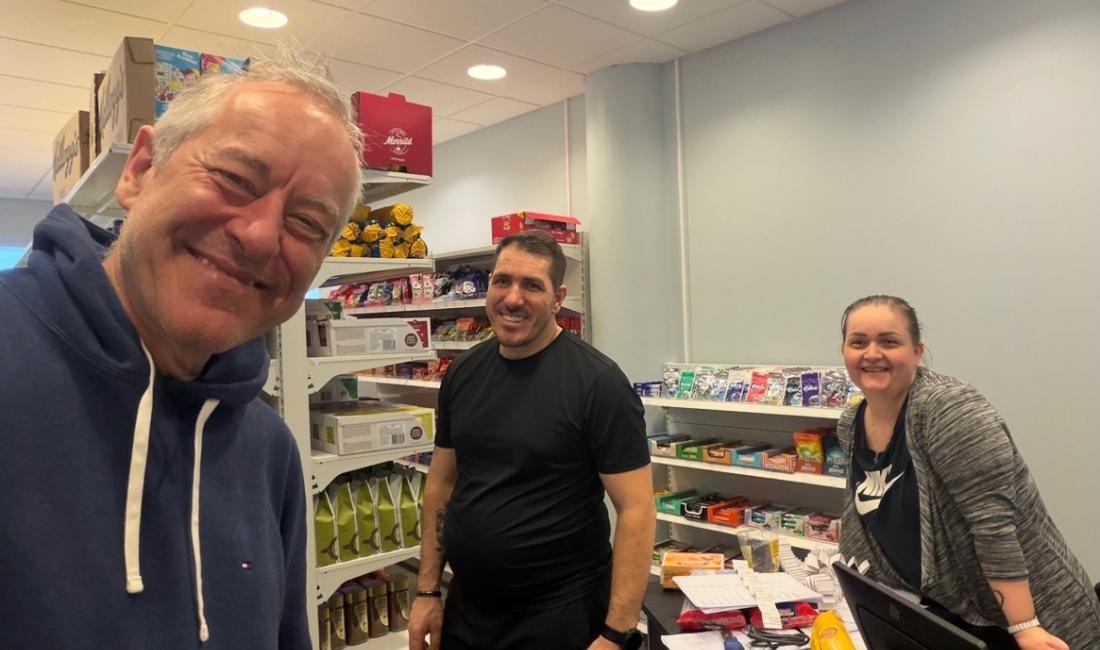
Lead photo. Bjarney Högnadóttir and her husband are opening the first grocery store after the evacuation (Photos by Bruno Kaufmann)
I just got back from Grindavik.
Grindavik used to be the luckiest place in Iceland, it’s a small city south of Rejkyavik, close to the international airport, with one of the biggest harbors in the country. It was a prosperous and tight-knit community, with strong local democracy.
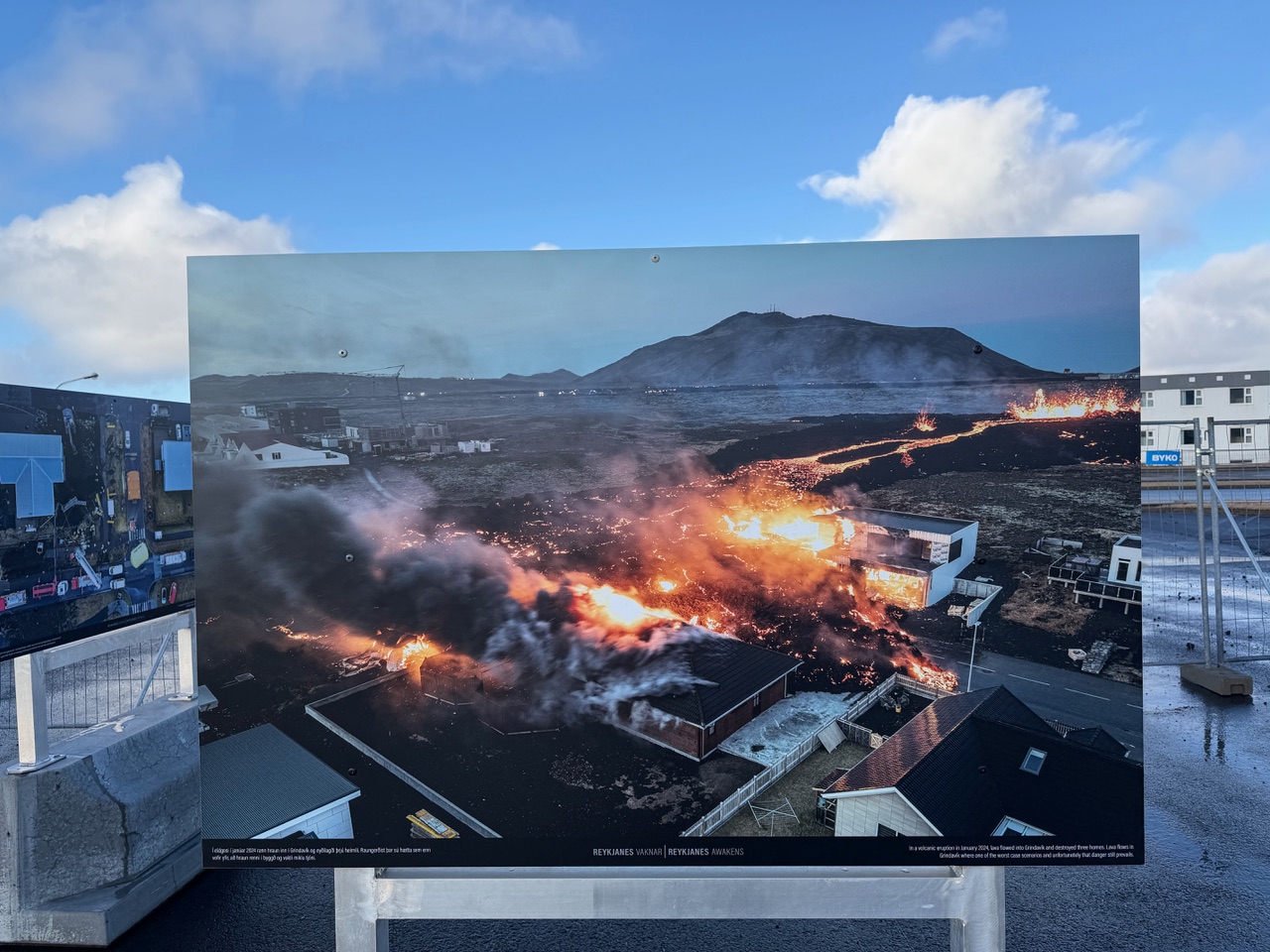
That luck appeared to change in November 2023, when the eruption of a volcano, which had been dormant for 800 years, forced the entire town to evacuate in just two hours.
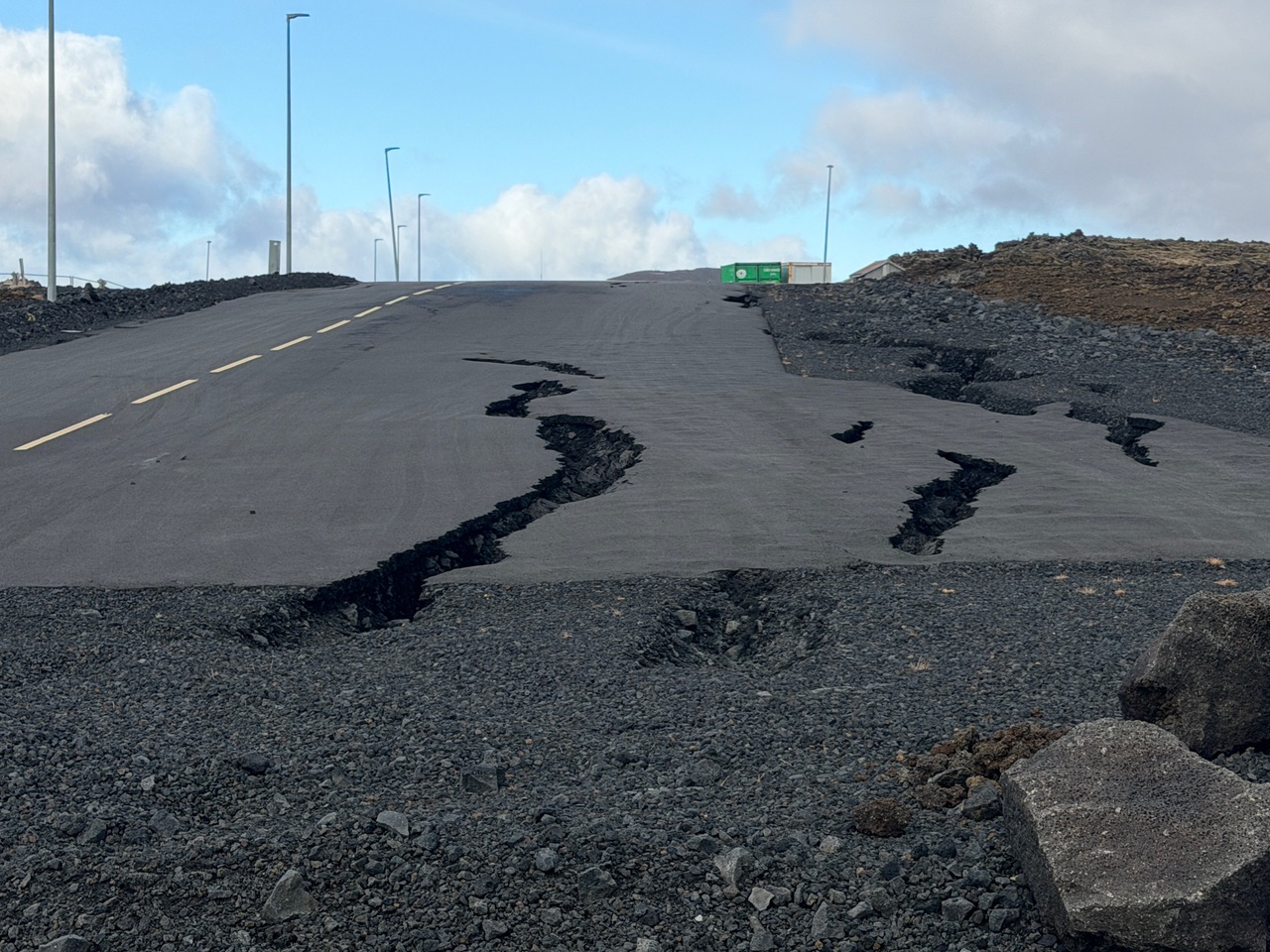
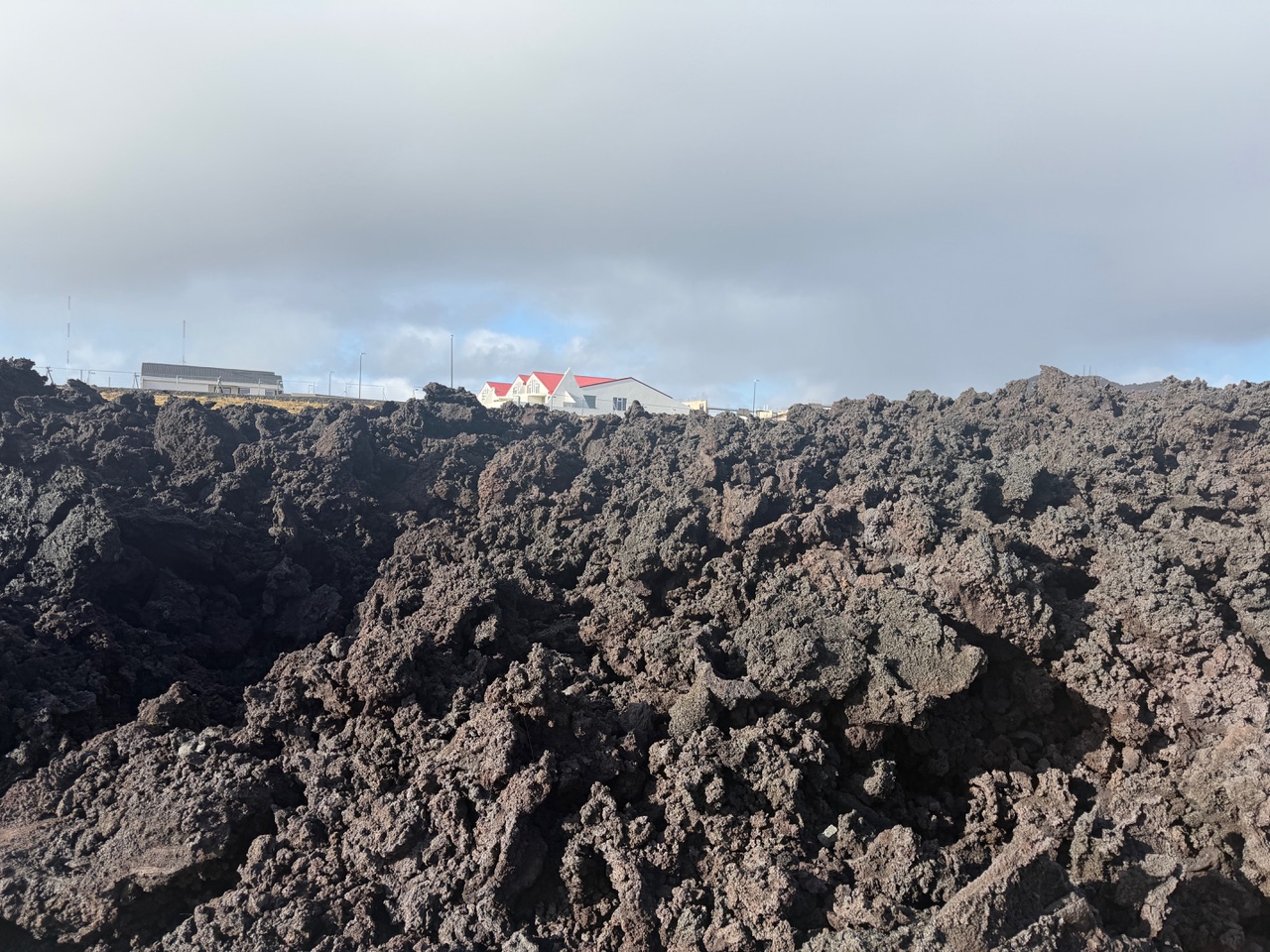
Lava reached the city and started to destroy houses. Huge fissures opened up in the earth, with buildings and roads and one man falling into them. The volcanic eruptions, and related earthquakes didn’t stop—there would be 9 more, going into 2025.
The national government stepped in, establishing a committee to safeguard the evacuated city Control points were set up at the city limits, to check on who was coming in and out. Grindavik residents were allowed in to get things left behind, but moving back seemed impossible.
Ultimately, the government bought all the houses in Grindavik from their owners, at the value the homes had had before the eruption.
With everyone gone, that seemed like the city was over.
Except that it wasn’t. Grindavik’s people and institutions may have had to leave Grindavik, vbut they worked to stay together.
Grindavik’s government did not disband. It moved into the Reykjvik city hall within a few days of the evacuation. Several schools around Iceland opened up classrooms for teachers and students from Grindavik to move in.
The eruptions finally stopped in July 2025, and they have yet to resume. In recent months, more and more people have declared their desire to return to Grindavik.
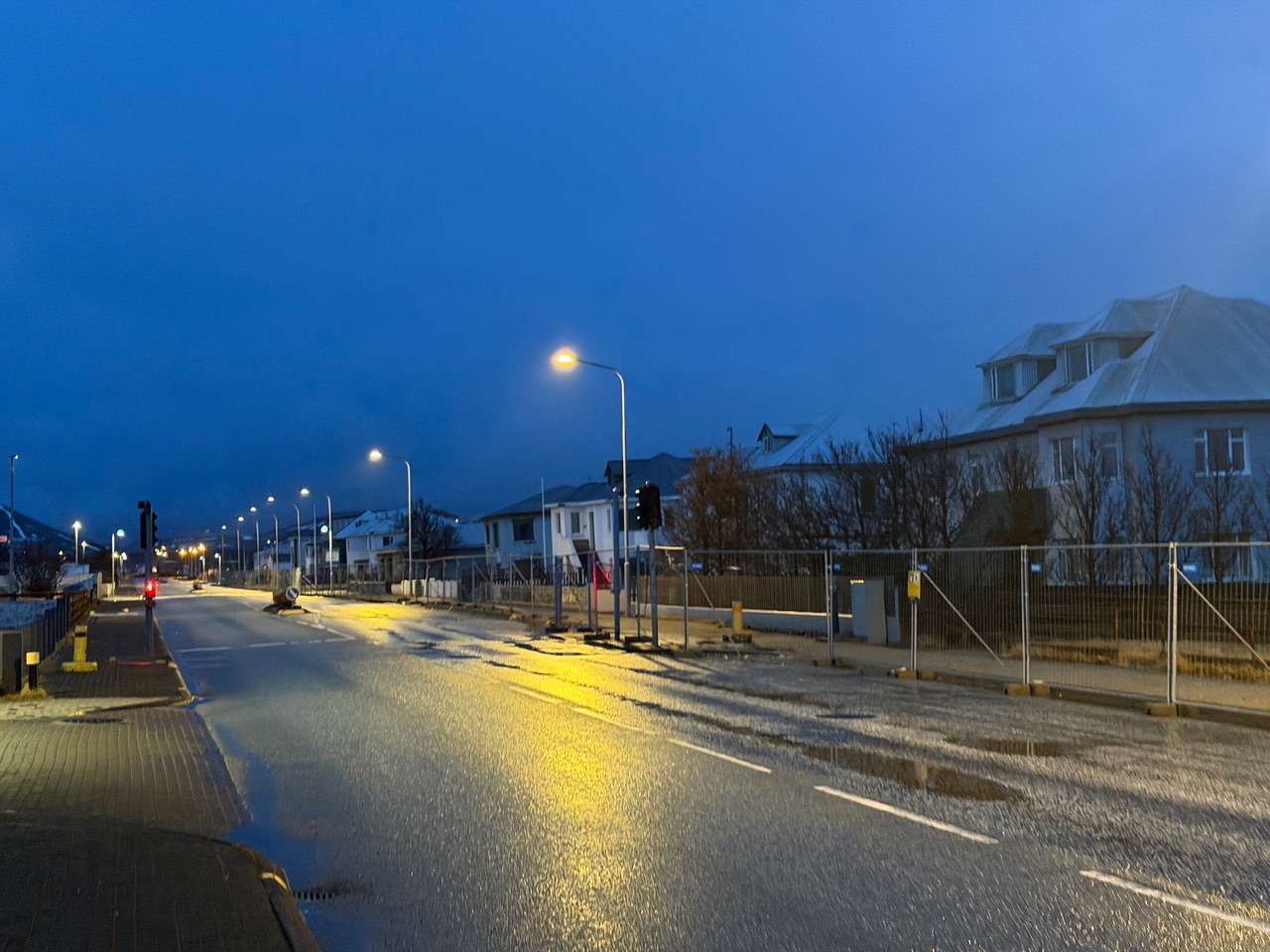
On my visit, I was in Grindavik for four days, living in the only guest house still open in the city. On the streets, I was usually the only person out—it felt like a lost planet. But surveys suggest 10 percent of the people have returned to homes. A few businesses are back too.
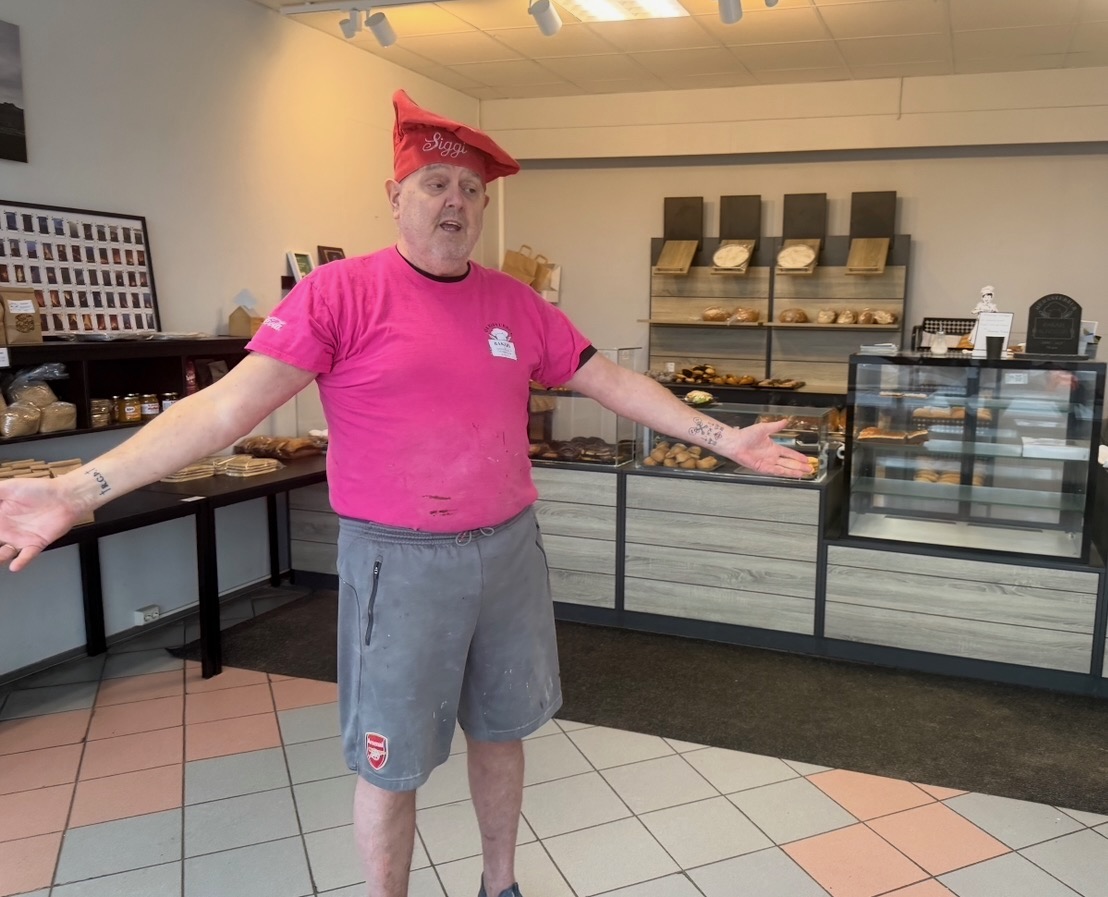
A baker who had been in Grindavik for 30 years has reopened his store and is baking bread—but is still unsure who will eat it. A grocery store is also pen again. The city’s basketball team, number-one in Iceland’s national league, is back playing games in Grindavik (the team’s home hall is safe—the soccer team’s arena, alas, was damaged).
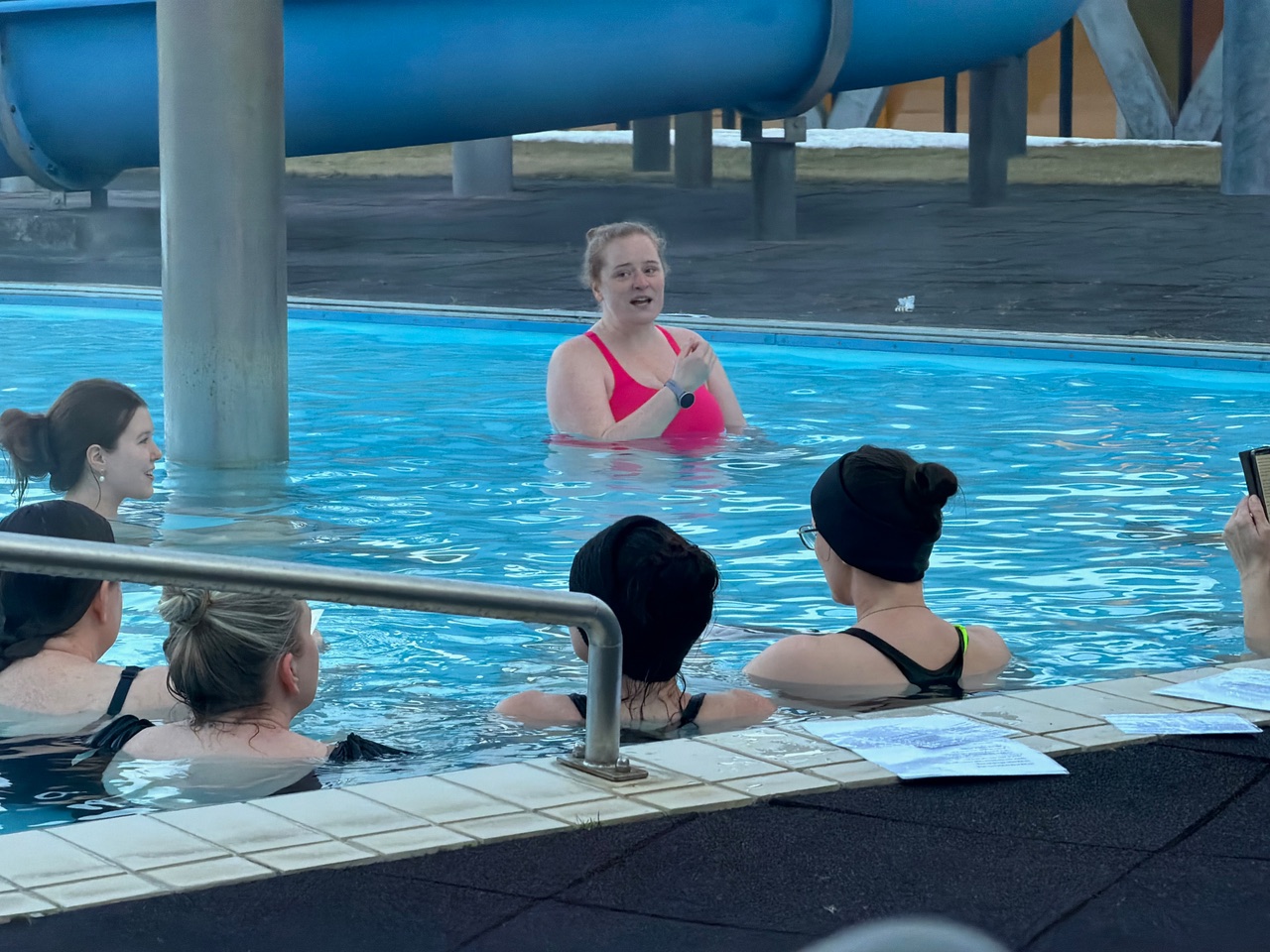
The 30 women of a local choir were returning from new homes all over Iceland to sign and exercise in a hot springs pool in Grindavik. The mayor is back, but the rest of the local government remains outside the city limits for now.
Lessons are already being drawn from Grindavik for a world coping with constant disasters and profound climate change. While I was in Grindavik, the leader of the World Bank’s disaster committee was there to learn about the Grindavik model of evacuation, and keeping a town together.
Grindavik’s future is also an issue for nearby Keflavik, a nearby community that hosts the NATO base and the international airport. Iceland is a major spot for air traffic and intersection between the U.S. and Europe. (On Iceland’s in-between status, former Reykjavik Myor Jon Gnarr, a comedian, compares his country to a tomato salad—it’s neither a real salad, like Europe, nor ketchup, like the United States.
In Reykjavik, the mayor and the head of the fire department told me they are watching Grindavik, and thniking about what it would mean to move for their metropolitan area of 250,000 people if volcanic activity forced its evacuation and relocation.
Reykjavik is a major job center, so economics are on people’s mind. The same is true in Grindavik, which had more employees than inhabitants before the eruptions. It’s also home to a tourist destination of hot springs known as the Blue Lagoon.
Locals in Grindavik are always working to repair the work of the volcano. But the eruptions have changed the landscape. The harbor pier is a half-meter lower now, creating problems. And giant fissures in the land remain a danger—a special method is being used to try to close them.
Two big decisions are coming soon. By the end of March, the national meteorological service, a powerful agency in Iceland, will decide whether Grindavik should be reopened. That would allow those who didn’t lose their houses to lava or fissures could buy houses back from the government and return.
Grindavik residents themselves are scheduled to participate in local elections in May. Candidates re having to campaign all over Iceland, wherever displaced Grindavik citizens have relocated. A special new law has given Grindavik’s people the choice of voting in Grindavik elections, or the elections of their new locality.
So Grindavik’s people will have some power to decide their future. Even if they are now living far away from Grindavik.