The Kgotla Mixes Democracy, Culture, and Technocracy to Govern Botswana
This is co-published with Zócalo Public Square.
By JOE MATHEWS
In the village of Mosi (“Smoke” in English), a community of about 500 people in southern Botswana, the meeting began early in the afternoon.
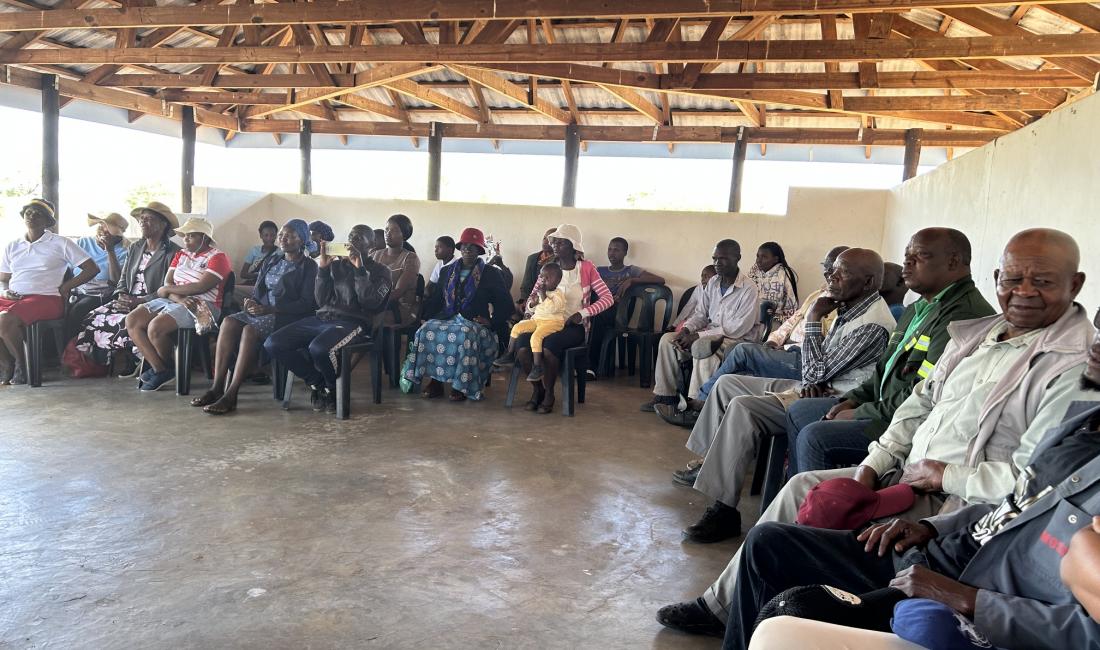
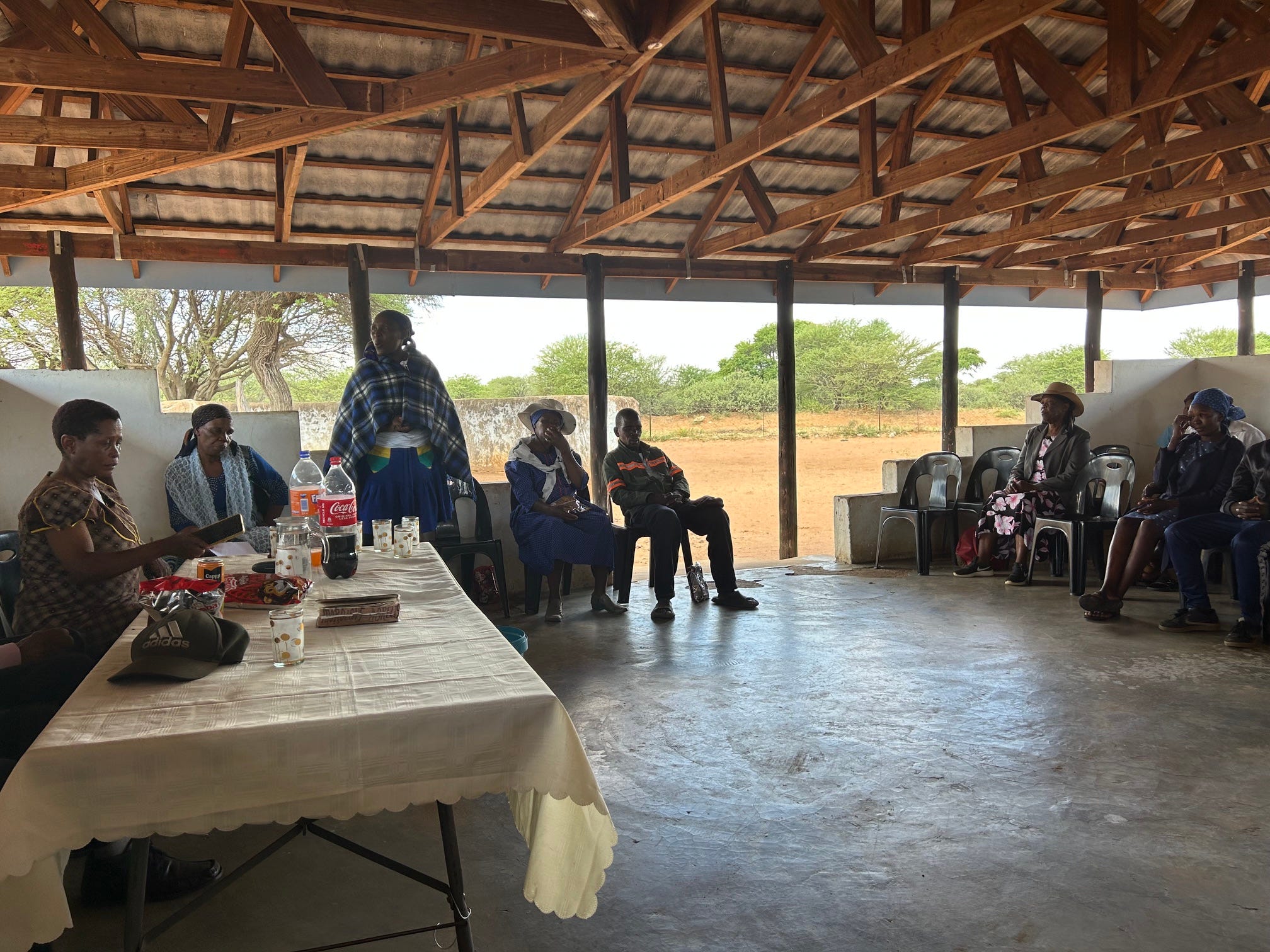
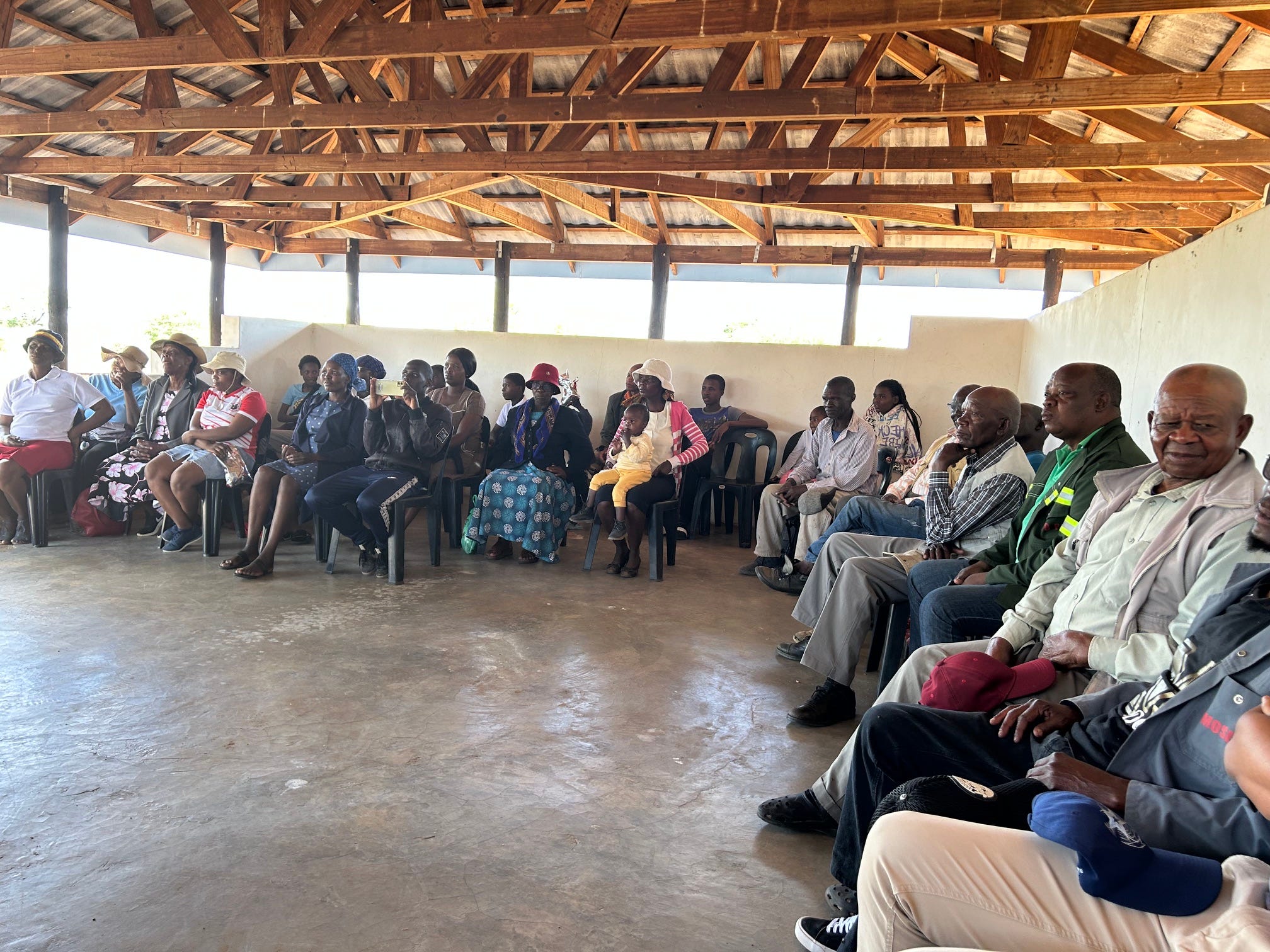
“We are small, but that doesn’t matter,” one resident said of the 56 people in attendance at the kgotla, a word that describes both the meeting and the hut-style building in which it takes place.
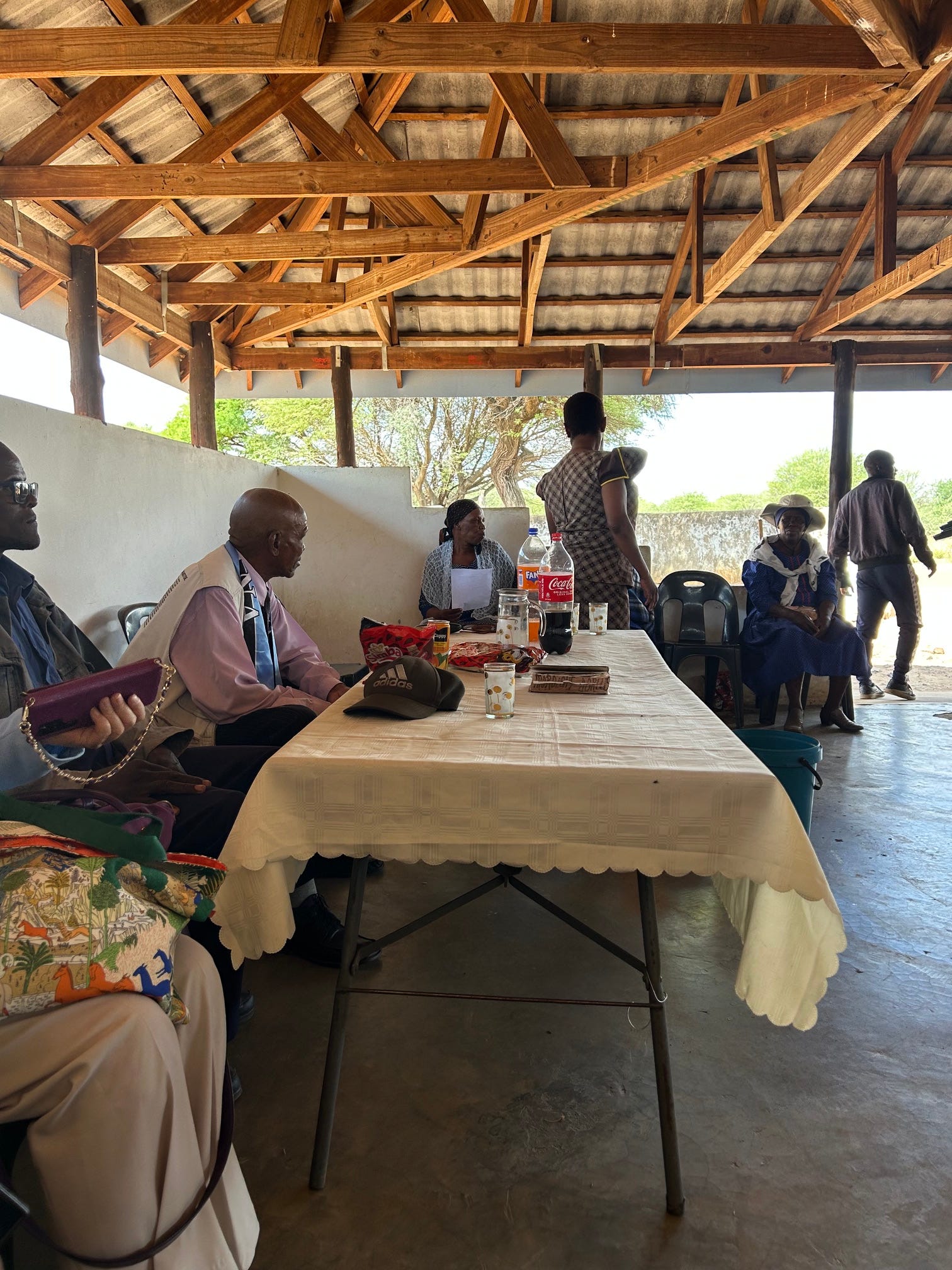
The village chief, secretary, and a local pastor sat at the front of the unsealed hut behind a simple table adorned with a Bible, a rulebook, and bottles of Coca-Cola and Fanta. Women, young adults, and children sat straight across from the front table in the center. Older men and visitors (including me and colleagues from Sweden and South Korea) sat to the right. The left side of the hut was open, with no wall.
This is Mosi’s version of the kgotla, an institution that started as tribal assemblies centuries ago. These local gatherings, so effective at the work of consultation and local decision-making, survived 80 years of British rule and thrived after independence, too—integrated into modern governance without losing their democratic soul.
In 21st century Botswana, the kgotla is a mix of traditional local consultation and technocracy. It’s a place for community members to communicate with each other and with government officials of all levels to plan, to provide services, to celebrate culture, and to settle disputes. This multiplicity of purposes has made the kgotla the center of governance in one of Africa’s most stable and prosperous nations.
And Botswana’s democratic success, in turn, has made the kgotla a subject of international fascination today, at a time of rising authoritarianism and declining democracy in other nations. Botswana is Africa’s oldest multiparty democracy and ranks near the top (and higher than the United States) in annual lists of the most democratic nations. It boasts exceptional economic growth, low levels of polarization, and a remarkably resilient political culture. In the most recent presidential elections, more than 80% of Botswana’s electorate went to the polls and, a majority voted out the incumbent government. All parties accepted the unexpected result, and the outgoing president immediately announced plans for a smooth transition of power.
Why does democracy work so well here? A big reason is that the local institution of the kgotla is the fundamental unit of democracy for the whole country. Few significant changes can be made in nation without having them considered first at the kgotla. As the proverb says, “Mafoko otlhe a kgotla a mantle.” In English: “All words and thoughts uttered in the Kgotla are precious.”
And everyone is free to speak. Indeed, the kgotla’s ethos is described as “mmu a lebe o bua la gagwe”—everyone can be candid, and it’s OK to make mistakes.
I arrived at the kgotla in Mosi one late fall day in 2025 wearing a t-shirt, a fashion faux pas. I had to be granted special dispensation, as the locals were impeccably dressed for the occasion.
The day was a vibrant mix of cultural celebration and administration. Two members of the elected Village Development Committee (VDC), Megeseatsile Kgadisa and Kemetswe Mmolai, performed a poem that the women in attendance received with piercing whoops. The word I heard most often in the mix of Tshwana and English conversation was “pula,” which means both rain and money in mostly-desert Botswana. A regional technocrat, an agricultural extension agent trusted by Mosi’s farmers, gave a brief report.
The village secretary, Doreen Lotlaamopense, read an official message off her phone, sent to kgotlas from the president, adding her own commentary: “More people should come to kgotla...Drive responsibly. Drink responsibly.” The group followed her directive with singing, lunch, and a gossipy discussion of a recent wedding.
Then talk turned back to local issues. Just a few feet away, Mosi was building a public bathroom with showers; the walls were up, but construction was not yet complete. When would it be done? There was back-and-forth about child care and school attendance, and about climate change planning.
Such discussions keep the country running. Public officials are often called in to kgotla and held directly accountable for decisions they make. The kgotla has authority over local public spending and land management, and is routinely asked to offer feedback on national policies and development plans.
The day after the kgotla in Mosi, I had breakfast with former Botswana President Mokgweetsi Masisi in the village of Moshupa, where as a legislator he installed hundreds of solar-powered streetlights.
“A lot of our democratic processes have been adapted to blend with our traditional systems of governance,” Masisi told me, describing “four convoys [that] come together to work in peaceful harmony” in the physical space of the kgotla. The four are the kgotla assembly of regular people, the VDC (which is elected to assess needs and propose projects for funding), the Land Board (which manages land and related disputes), and the local council (which handles infrastructure).
Masisi said the system forces politicians to listen rather than dictate. Parliament members are expected to attend the kgotla before and after legislative sessions to hear community views and ideas. Government staff initiate projects and introduce themselves to communities at the kgotla.
Masisi said that presidents, too, are expected to show up at kgotla around the country. And so, he often did. But protocol dictated that he never spoke first; national politicians must sit and listen to local reports, and are only permitted to speak at the very end. “As president, I would be behind everyone,” Masisi said.
Botswana’s system has its flaws. Attendance at kgotla meetings has declined as urbanization increases, and younger people report feeling disconnected from the traditional formats. There are always concerns that kgotlas will be weakened or bypassed by higher level bodies. Local leaders sometimes fail to follow the traditional prohibition against participating in party politics to maintain kgotla neutrality, a sign of our more polarized times.
In much of the world, technocracy and democracy are viewed as opposing forces—the experts versus the people. The kgotla proves they can harmonize. When school principals and village chiefs sit together, and when a national president must wait his turn to speak, the gap between the government and the governed shrinks.
Masisi has advised other countries on democratic development. He’s also working for the EU as an emissary for peace in the Democratic Republic of the Congo. His main message is that democracy works best when it is local—and intimate.
“If little Botswana, inconsequential Botswana, has a rich tapestry of democracy,” he said, “it can be done anywhere in the world